Devons Road upholstery cleaning local expert tips
If your sofa has started looking tired, your dining chairs have picked up that everyday London grime, or a favourite armchair has one stubborn mark that seems to stare back at you every evening, you are in the right place. Devons Road upholstery cleaning local expert tips are all about getting better results with less guesswork, especially in homes where space is tight, life is busy, and furniture has to work hard. In this guide, we will walk through how upholstery cleaning works, what local experts look for, and the practical steps that help you avoid damage, wasted effort, and nasty surprises.
Truth be told, upholstery is one of those things people ignore until it becomes impossible to ignore. Then suddenly you are wondering whether a stain is removable, whether the fabric will shrink, and whether that faint smell is from last week's takeaway or something deeper. Let's sort that out properly.
Table of Contents
- Why Devons Road upholstery cleaning local expert tips matters
- How Devons Road upholstery cleaning local expert tips works
- Key benefits and practical advantages
- Who this is for and when it makes sense
- Step-by-step guidance
- Expert tips for better results
- Common mistakes to avoid
- Tools, resources and recommendations
- Law, compliance, standards, or best practice
- Options, methods, or comparison table
- Case study or real-world example
- Practical checklist
- Conclusion
- Frequently Asked Questions
Why Devons Road upholstery cleaning local expert tips Matters
Upholstery cleaning is not just about appearance. In a busy local area like Devons Road, furniture takes a lot of everyday wear from shoes, pets, children, food spills, open windows, dust, and the general rhythm of city living. Sofas collect body oils and airborne dirt. Chairs hold onto crumbs and drink marks. Fabric headboards and office-style seating can trap odours and fine dust much faster than people expect.
Local expert tips matter because upholstery is not a one-method-fits-all job. A velvet accent chair, a synthetic sofa, and a linen dining seat may all need completely different treatment. If you use the wrong moisture level, the wrong chemical, or the wrong brush, you can make a simple clean into a costly repair. And nobody wants that.
The best local advice tends to be practical rather than flashy: identify the fabric, test discreetly, treat stains quickly, and never assume that stronger product means better cleaning. That last part catches a lot of people out. More foam does not equal more clean.
If you are already looking at a broader home refresh, it can also make sense to pair upholstery care with carpet cleaning or even a fuller deep cleaning approach so the whole room feels consistent rather than half-done.
How Devons Road upholstery cleaning local expert tips Works
At its simplest, upholstery cleaning works by loosening dirt, lifting contaminants from the fibres, and removing them without over-wetting or flattening the fabric. The exact method depends on the material, the construction of the furniture, and the kind of soiling involved.
Most professional-style processes follow a sequence like this:
- Inspection: identify the fibre type, visible damage, wear patterns, and stain risks.
- Dry soil removal: vacuuming and careful extraction of loose debris from seams, piping, and cushions.
- Spot testing: checking a hidden area for colour fastness and texture changes.
- Targeted pre-treatment: applying suitable solution to greasy or stubborn marks.
- Agitation or dwell time: allowing the product to work gently.
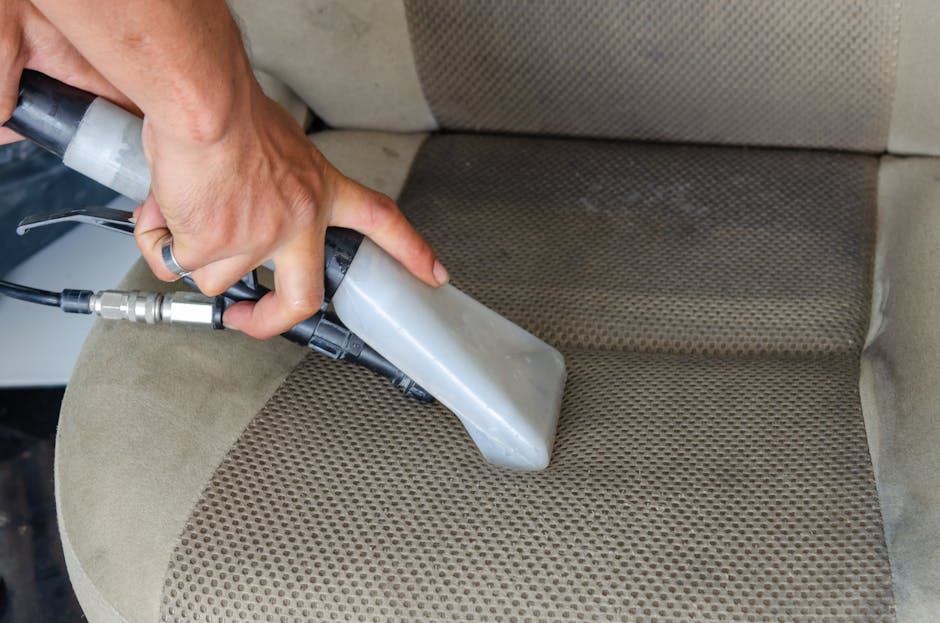
- Controlled cleaning: extraction, low-moisture cleaning, or fabric-safe wiping depending on the textile.
- Drying and finishing: speed drying where possible, then grooming fibres so the fabric sits neatly.
That sequence sounds simple, but the detail matters. For example, a synthetic sofa may tolerate a light hot-water extraction style clean, while a delicate natural fibre may be far safer with low-moisture encapsulation or careful hand cleaning. The wrong match can leave rings, stiff patches, or lingering damp smells. Not ideal, to be fair.
Professional cleaners usually rely on product labels, fabric codes, and practical judgement rather than one universal formula. A good local expert will also look at the setting: a ground-floor flat near busy roads can gather dust differently from a quieter home street, and a family sofa in daily use needs a different approach from a spare-room chair.
Key Benefits and Practical Advantages
There are several real advantages to using local expert methods for upholstery cleaning, especially when the furniture is expensive, sentimental, or simply used all the time.
- Better stain removal: the sooner and more accurately a stain is treated, the better the odds of lifting it without harming the fabric.
- Longer furniture life: regular cleaning helps reduce embedded grit, which can wear fibres down over time.
- Improved indoor freshness: upholstery can hold odours from pets, cooking, smoke, and everyday living.
- More hygienic surfaces: dust and debris are removed from the fabric rather than pushed deeper into it.
- Better appearance: colour often looks brighter once surface grime is gone.
- Smarter maintenance: knowing what your sofa or chair is made from helps you clean it properly in future.
There is also a practical comfort factor. A clean sofa makes a room feel better immediately. You notice it when you sit down. The fabric feels lighter, the air smells fresher, and those old marks stop nagging at you in the corner of your eye.
For homes that need ongoing upkeep, many people combine upholstery care with sofa cleaning or a more general domestic cleaning plan, which can be a sensible way to stay on top of things without letting one job snowball.
Who This Is For and When It Makes Sense
Devons Road upholstery cleaning local expert tips are useful for anyone who wants better results from their furniture care, but they are especially helpful if one of these sounds familiar:
- You live in a flat or house where the sofa doubles as a dining area, work area, and cinema seat.
- You have children, pets, or frequent visitors.
- Your furniture is light-coloured and shows marks quickly.
- You rent and want the place to look well kept.
- You own a fabric chair, loveseat, or dining seat set that is starting to look dull.
- You have tried a DIY product and made the stain larger. Happens more often than people admit.
It also makes sense before guests arrive, after a seasonal reset, after illness in the home, or before moving out of a property. If you are preparing for a tenancy handover, upholstery sometimes gets overlooked even though it is one of the first things people notice. A well-kept sofa can make a room feel ordered even if the rest of the place is still mid-chaos.
Commercial spaces can benefit too. Waiting areas, offices, and reception seating absorb a lot of body oils and airborne dirt. If that is your situation, it may be worth looking at office cleaning alongside upholstery maintenance so the space feels consistently professional.
Step-by-Step Guidance
Here is the practical way locals and experienced cleaners tend to approach upholstery without making a meal of it.
1. Identify the fabric first
Look for the manufacturer's care label if you have one. Typical upholstery codes indicate whether the fabric can handle water-based cleaning, solvent-based products, or only very gentle treatment. If you are unsure, assume the fabric is more delicate than it looks. That is usually the safer bet.
2. Vacuum thoroughly
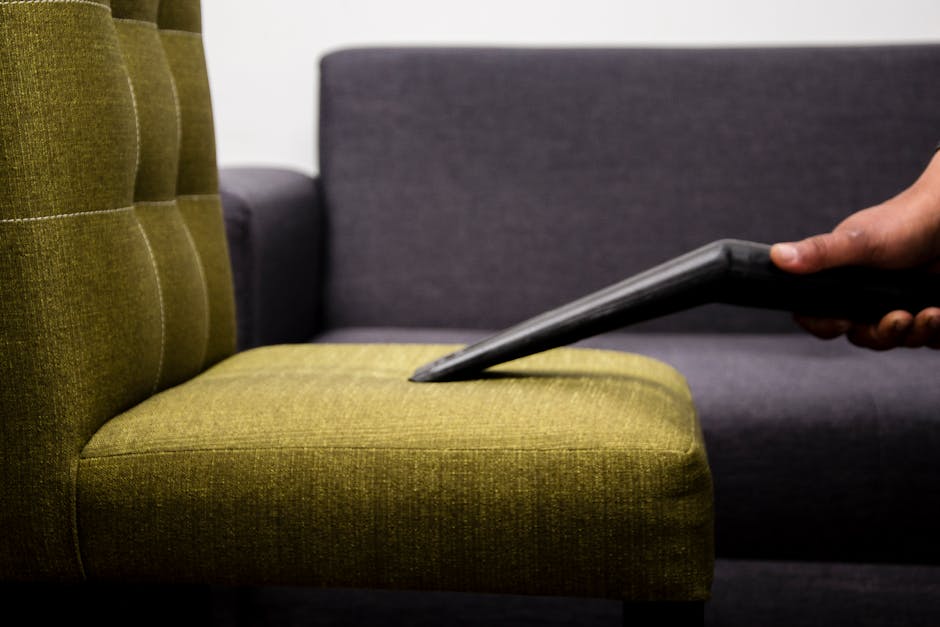
Use a vacuum with an upholstery attachment and pay attention to seams, buttons, folds, under cushions, and the back edge where dust gathers. Dry debris left behind can smear when wet cleaning starts.
3. Deal with stains before overall cleaning
Spot-treat marks first. Blot rather than rub. Rubbing can push the stain deeper and distort the pile. A clean white cloth is usually better than a colourful towel that may transfer dye. Small detail, big difference.
4. Test in a hidden area
Do not skip this. Check for colour change, water marks, stiffening, or fibre distortion. If the test area looks off, stop and choose a gentler approach.
5. Work from the least aggressive method upward
Start with the mildest effective technique. Often that means dry soil removal, light pre-treatment, and minimal moisture. Only move to stronger methods if the fabric can handle it.
6. Keep moisture under control
Over-wetting is one of the biggest mistakes in upholstery cleaning. It can lead to long drying times, water rings, odours, or even damage to the padding underneath. In tight London homes with limited airflow, this matters even more.
7. Dry properly
Use ventilation, open windows if conditions allow, and keep cushions separated so air can move. Furniture should feel dry before heavy use. If it still feels cool or damp, give it more time.
8. Finish by grooming the fabric
Some fabrics benefit from light brushing to restore texture and prevent crushed areas. It is the difference between "clean" and "properly finished".
Expert summary: good upholstery cleaning is less about force and more about control. Clean the right way, at the right speed, with the right amount of moisture. That is the whole game, really.
Expert Tips for Better Results
A few local expert habits consistently improve the end result. None of these are dramatic, but together they save time and protect the furniture.
- Clean spills early: fresh stains are far easier to manage than old, oxidised ones.
- Use blotting pressure only: press gently with a cloth to lift residue.
- Mind the seams: dirt collects where cushion piping and stitching meet.
- Rotate cushions: it helps wear distribute more evenly and keeps one side from ageing faster.
- Avoid random household cleaners: washing-up liquid, bleach, and "miracle sprays" can leave residue or colour issues.
- Let products dwell, but not dry: treatment needs time to work, then it should be removed properly.
- Watch the weather: damp weather slows drying; a bright breezy day helps a lot.
- Protect high-use arms and headrests: these areas often need earlier attention than the rest of the piece.
Here is a simple but useful one: if the fabric looks cleaner in one area but duller in another, do not assume it is still dirty. Sometimes the surrounding area was never cleaned before, so you are now seeing the contrast. That is actually a good sign, though it can look a bit odd at first.
Another good habit is to pair upholstery care with regular fabric maintenance across the home. For example, if rugs are also holding onto dust and crumbs, rug cleaning helps reduce the amount of airborne dirt settling back onto seats and sofas. Small gains add up.
Common Mistakes to Avoid
The most common upholstery cleaning errors are usually made with enthusiasm rather than bad intent. Still, they can be expensive.
- Scrubbing stains hard: this frays fibres and spreads the mark.
- Using too much water: internal padding can stay damp long after the surface looks dry.
- Skipping the test patch: that is where colour loss and fabric damage often begin.
- Using one product on everything: different textiles need different care.
- Ignoring odour sources: smell can sit deeper than the visible surface stain.
- Putting cushions back too soon: trapped moisture can create musty odours.
- Assuming steam is always safe: heat is useful, but not on every fabric.
One more practical mistake: people often clean only the obvious stain and miss the surrounding area. Then, once it dries, a tide mark appears. Frustrating. Cleaning a slightly wider zone, with careful feathering at the edges, often gives a much better finish.
Tools, Resources and Recommendations
You do not need a van full of kit to look after upholstery properly. A few sensible tools go a long way.
- Upholstery vacuum attachment: ideal for seams and cushion creases.
- Microfibre cloths: useful for blotting and gentle wiping.
- Soft brush: helps lift light debris without damaging texture.
- Fabric-safe spot cleaner: always chosen carefully and tested first.
- White towels or cloths: best for blotting because they will not transfer dye.
- Fans or good airflow: helps furniture dry properly after cleaning.
For people who prefer professional help, it is worth choosing a cleaning company that explains its process clearly and does not promise miracles. Transparent pricing, clear treatment steps, and sensible expectations are usually better signs than flashy sales language. You can read more about service standards and customer-facing policies through pages like about the company, pricing and quotes, and insurance and safety.
If you are checking broader trust signals too, it is reasonable to look at the provider's terms and conditions and privacy policy. Not exciting reading, admittedly, but useful. Nobody enjoys the fine print until something goes wrong.
Law, Compliance, Standards, or Best Practice
Upholstery cleaning itself is not usually a heavily regulated activity in the way some trades are, but professional best practice still matters. A careful cleaner should work in line with sensible UK health and safety expectations, use products according to manufacturer guidance, and avoid creating hazards from wet floors, slip risks, strong fumes, or unsafe electrical use.
If cleaning is being done in a household, it is also wise to think about ventilation, allergy sensitivity, and children or pets nearby. Some products may be perfectly normal for upholstery but still unpleasant in a closed room. Common sense goes a long way here.
For commercial or shared properties, document handling, access, and liability matters become more important. A provider should be able to explain how they manage risk, what they do if a fabric reacts badly, and how they handle complaints. You can often get a feel for that by reading their published complaints procedure and health and safety information.
Best practice also means being honest about limits. Not every stain can be removed completely. Some dyes are permanent, some water marks are already set, and some fabrics are too delicate for aggressive treatment. A trustworthy expert says that upfront rather than discovering it after the fact. That honesty is worth a lot.
Options, Methods, or Comparison Table
Different upholstery needs different methods. Here is a simple comparison to help you decide what fits best.
| Method | Best for | Pros | Watch-outs |
|---|---|---|---|
| Vacuum and dry maintenance | Routine upkeep, light dust | Fast, safe, low risk | Will not remove deep stains |
| Spot cleaning | Fresh spills and isolated marks | Targets the problem area | Can leave tide marks if rushed |
| Low-moisture cleaning | Delicate fabrics, regular refreshes | Less drying time, lower risk | May need repeat attention on heavy soil |
| Hot-water extraction | Durable fabrics with heavier build-up | Strong deep clean, good soil removal | Not suitable for every fabric |
| Professional hand-cleaning | Specialist fabrics, awkward items | More control, fabric-aware approach | Usually slower, often more bespoke |
If your furniture is part of a wider move-out or post-refurbishment reset, it may be sensible to combine it with end of tenancy cleaning or after builders cleaning. Those situations often bring extra dust and residue that would otherwise land right back on freshly cleaned upholstery. Happens all the time.
Case Study or Real-World Example
A common local scenario goes like this. A family in Devons Road notices their three-seater sofa has become dull along the arms and seat cushions, with a mix of snack crumbs, drink marks, and a faint smell that seems to get worse in the evening. They have already tried a supermarket spray, which made one area look cleaner but left a hard outline around the old stain. Not great.
The sensible approach begins with a full vacuum, then a discreet test patch on the back panel. The fabric turns out to be synthetic and fairly robust, but it still needs controlled moisture. The cleaner treats the arm areas first, works gently around the drink stain, and lifts the residue without soaking the padding. After cleaning, the cushions are left apart with windows open for airflow. By the next day, the sofa feels noticeably fresher and the room smells cleaner too.
The key lesson is simple: the result came from patience and matching the method to the fabric, not from using the strongest product on the shelf. There is nothing glamorous about that, but it works. And that is what matters.
Practical Checklist
Use this quick checklist before you clean upholstery yourself or book a local expert.
- Check the fabric type or care label.
- Vacuum all surfaces, seams, and cushion gaps.
- Test any product on a hidden patch first.
- Choose the gentlest effective method.
- Blot, do not scrub.
- Keep moisture under control.
- Allow proper drying time.
- Finish with light grooming if suitable.
- Inspect for tide marks once dry.
- Book professional help if the fabric is delicate, valuable, or badly stained.
If you want to keep on top of whole-home freshness, it can also help to build a routine that includes window cleaning and house cleaning so dust and grime do not return quite so quickly. Little habits, honestly, make a big difference.
Get a free quote today and see how much you can save.
Conclusion
Devons Road upholstery cleaning local expert tips are really about making smarter decisions. Identify the fabric, treat stains carefully, avoid excess water, and do not assume every cleaner suits every sofa or chair. That bit of extra caution protects your furniture, saves money over time, and gives you a better finish with less stress.
Whether you are dealing with a family sofa, a rental property, or the chairs in a small business space, the same principle holds true: thoughtful cleaning beats rushed cleaning every single time. And once you know what to look for, the whole process becomes far less daunting.
Take it one step at a time, be gentle with the fabric, and give yourself permission not to guess. Furniture lasts longer when it is looked after properly, and a fresher room is one of those small wins that quietly improves the day.
Frequently Asked Questions
What is the best way to clean upholstery in Devons Road homes?
The best way depends on the fabric, but in most homes it starts with vacuuming, careful spot testing, and using the least aggressive method that still removes the dirt. Delicate fabrics often need low-moisture cleaning rather than heavy wet treatment.
How often should upholstery be professionally cleaned?
That depends on use. A heavily used family sofa may need attention more often than a spare-room chair. As a general rule, regular maintenance helps keep stains from settling and prevents grime from building up over time.
Can I use household products on my sofa?
Sometimes, but it is risky. Many household sprays leave residue, cause water marks, or affect fabric colour. A fabric-safe product used correctly is usually a safer choice than something improvised from the kitchen cupboard.
Why does my sofa smell after cleaning?
That usually means too much moisture was left in the fabric or padding, or the smell source was deeper than the surface. Good airflow and proper drying are essential. If the odour remains, the issue may need more targeted treatment.
What upholstery fabrics are hardest to clean?
Delicate natural fibres, textured weaves, and some blended fabrics can be more difficult because they react badly to excess water or strong chemicals. Velvet and certain light-coloured fabrics also need extra care.
Is steam cleaning safe for all upholstery?
No, not for all upholstery. Heat and moisture can damage some fabrics, so it should only be used when the textile and construction are suitable. A professional will usually test first and choose the method carefully.
How do I remove old stains from upholstery?
Old stains are harder because they may have bonded with the fibres or oxidised over time. Start gently, test thoroughly, and do not scrub. If the stain has set deeply, a specialist approach may be needed.
What should I do right after a spill?
Blot it straight away with a clean white cloth, working from the outside of the spill inward. Avoid rubbing. The faster you deal with it, the less likely it is to spread or set into the fabric.
Can upholstery cleaning help with allergies?
It can help reduce dust and debris trapped in fabric, which may improve the feel of the room. That said, if allergy concerns are serious, it is best to combine cleaning with regular vacuuming and broader home maintenance.
How long does upholstery take to dry?
Drying time varies with the method used, the fabric type, and the airflow in the room. Light cleaning may dry fairly quickly, while deeper cleaning can take longer. Good ventilation speeds things up noticeably.
Do I need to move furniture before an upholstery clean?
Usually not much, but it helps to clear nearby items and make space for access. If the piece has loose cushions or removable covers, those should be handled separately where appropriate. A bit of prep makes the job smoother.
How do I choose a trustworthy local cleaner?
Look for clear explanations, sensible expectations, transparent pricing, and useful service information. Pages such as contact details and pricing and quotes can help you check how straightforward the company is before you book.
Good upholstery care is one of those small household habits that pays you back quietly, day after day. And once your sofa feels clean again, the whole room usually follows suit.